





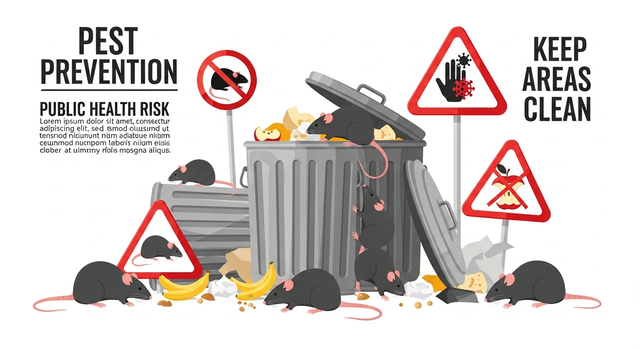
Rats pose one of the greatest threats to restaurant safety, hygiene and reputation. With their ability to contaminate food, spread diseases and damage property, even a minor rat problem can lead to major consequences such as health violations, closures and loss of customer trust. Effective pest control rats strategies are crucial for maintaining a clean and safe environment in any food establishment. This article explores the best safety and hygiene practices that restaurants should follow to prevent and control rat infestations.
Understanding Why Restaurants Attract Rats
Food Availability and Waste
Restaurants offer abundant food sources, making them highly attractive to rats. Leftover scraps, open food containers and overflowing bins create ideal feeding grounds. Rats can detect food odors from a distance and will continue returning as long as the source remains available.
Warmth and Hidden Spaces
Commercial kitchens generate heat, making them a comfortable environment for rats. Combined with storage rooms, utility areas and structural gaps, restaurants offer many hidden spaces perfect for nesting. Understanding these factors helps in designing an effective Pest Control Rats prevention plan.
Essential Hygiene Practices to Prevent Rat Infestations
Maintaining Clean Kitchen Surfaces
A clean kitchen is the first and most effective line of defense against rats. Regular cleaning of countertops, floors, cooking stations and food preparation areas prevents leftover food particles from accumulating. Grease buildup, crumbs and spills should be cleaned immediately to eliminate potential attractants.
Proper Food Storage
All food items should be stored in airtight containers and placed on shelves above floor level. Perishable items must be refrigerated promptly. When food is stored securely, rats are less likely to access it, reducing their interest in entering or staying in the restaurant.
Waste Management and Disposal
Waste management plays a crucial role in Pest Control Rats for restaurants. Garbage bins must be sealed tightly and emptied frequently throughout the day. Outdoor waste areas should be kept clean and located away from entry points. Effective waste disposal disrupts the rats’ food supply and discourages nesting nearby.
Structural Safety Measures for Restaurants
Sealing Entry Points
Rats can squeeze through incredibly small gaps, making it important to inspect the building regularly for cracks, holes and damaged seals. Door gaps, wall openings, ventilation pipes and drainage areas must be secured using durable materials such as metal mesh or cement filler. Sealing these entry points is essential for preventing rats from entering.
Maintaining Dry Surroundings
Rats need water to survive, so eliminating moisture can significantly reduce their activity. Leaking pipes, clogged drains and damp storage areas should be repaired immediately. Keeping the kitchen dry not only improves hygiene but also supports effective Pest Control Rats strategies.
Regular Maintenance Checks
Scheduled maintenance helps identify structural vulnerabilities before they become major issues. Professional inspections of exhaust vents, roof areas, basement sections and storage rooms can reveal signs of rat activity early. The sooner a problem is found, the easier it is to control.
Professional Rat Control Solutions for Restaurants
Expert Inspection and Mapping
Professional pest control teams offer detailed inspections designed specifically for commercial kitchens and dining environments. They identify active zones, hidden nesting areas and potential entry points. Expert mapping allows restaurants to take targeted action instead of relying on guesswork.
Customized Treatment Plans
Every restaurant is unique, so professionals create customized treatment plans tailored to the layout and infestation level. These plans may include trapping, baiting and digital monitoring systems. Many modern Pest Control Rats solutions use smart devices to track rodent movement and send instant alerts for quick action.
Routine Monitoring and Follow-Up
Maintaining a rat-free restaurant requires ongoing monitoring. Professional services generally include scheduled follow-ups to ensure the infestation has been fully eliminated. Continuous monitoring helps maintain restaurant hygiene standards and prevents future outbreaks.
Staff Training and Awareness
Educating Team Members
Restaurant staff play a big role in preventing rat infestations. Training employees on food handling, waste disposal and cleaning procedures creates a hygiene-focused work culture. When everyone understands the signs of rat activity, issues can be reported and addressed quickly.
Establishing Daily Cleaning Routines
Daily cleaning routines should be clearly assigned and followed. Tasks such as sweeping floors, sanitizing prep stations, washing utensils and inspecting waste areas must be part of the regular workflow. When staff follow these routines consistently, rats are less likely to find opportunities to thrive.
Building a Long-Term Prevention Strategy
Implementing a Hygiene Policy
A clear hygiene policy helps maintain consistency. Restaurants should establish guidelines for cleaning schedules, food storage, maintenance and inspections. Having a plan in place ensures long-term success in Pest Control Rats strategies.
Renewing Pest Control Contracts
Annual or quarterly pest control contracts provide consistent protection. Regular professional visits help keep rats away and ensure hygiene standards remain high, especially during busy seasons.
Final Thoughts
Rats can cause severe damage to a restaurant’s reputation and hygiene, but with the right practices, they can be effectively controlled and prevented. By maintaining cleanliness, sealing entry points, training staff and working with professionals, restaurant owners can create a safe dining environment. Using smart and proactive Pest Control Rats methods not only protects the business but also ensures the health and well-being of customers and employees.